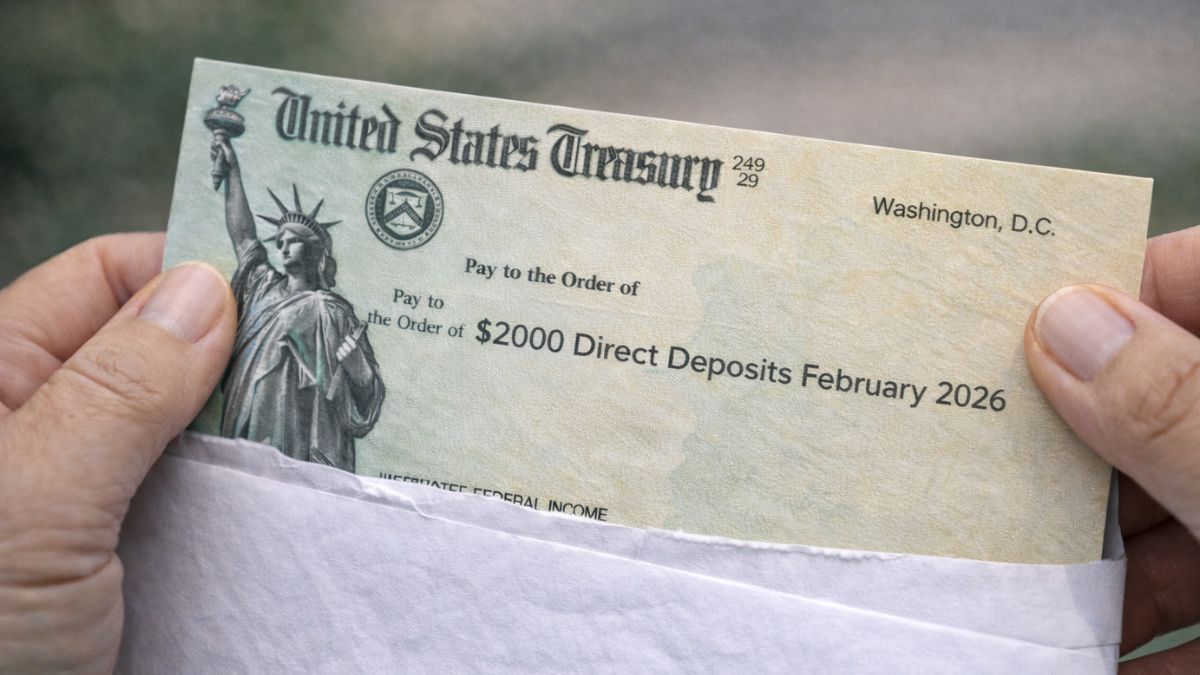
Reports about a $2,000 direct deposit from the Internal Revenue Service in February 2026 have drawn strong attention across the country. For many households, this time of year brings financial pressure. Holiday expenses, heating bills, insurance renewals, and credit card payments often come due at the same time. Because of this, any government payment scheduled for February naturally becomes important for families trying to manage their budgets.
Purpose Behind the February Payment
Unlike earlier pandemic stimulus checks that were sent broadly to most Americans, this February 2026 payment is described as targeted relief. Instead of boosting overall spending, the goal is to support households that may be facing short-term cash shortages. February is often considered a tight financial month, especially after holiday spending. By sending support during this period, policymakers aim to reduce the risk of late fees, missed payments, and high-interest debt.

How This Payment Is Different from Past Stimulus Checks
During 2020 and 2021, federal stimulus payments were issued under emergency laws and applied to a wide group of people. The February 2026 direct deposit is structured differently. It works through existing tax records and focuses on income-based eligibility. Payments are expected to decrease gradually as income rises, meaning higher earners may receive a smaller amount or no payment at all. This approach is designed to focus assistance on those who need it most while limiting broader inflation concerns.
Eligibility and Distribution Process
यह भी पढ़े:
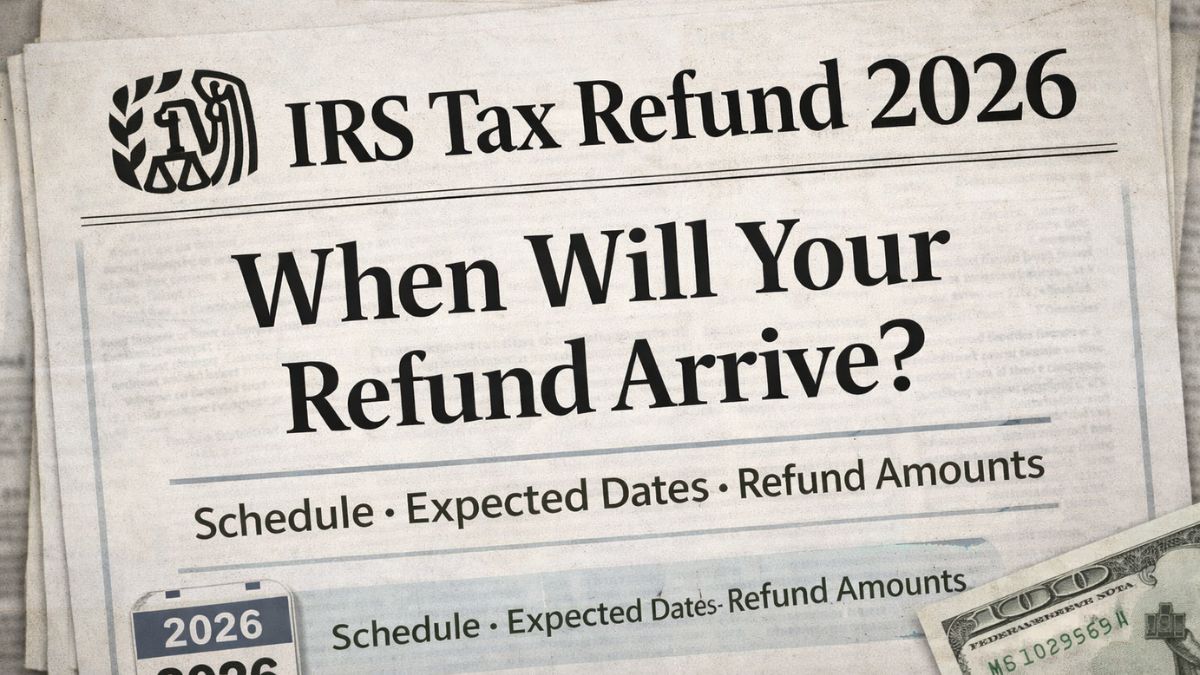
 IRS Tax Refund 2026 Schedule: Expected Dates, Refund Amounts, and Processing Time Explained
Eligibility is expected to depend on adjusted gross income reported on recent tax returns. Taxpayers must have filed a recent federal return and have valid identification details on record. The IRS plans to use its existing systems to identify eligible individuals and send payments automatically. Those who have direct deposit information on file are likely to receive funds faster than those waiting for paper checks. Household size and dependents may also influence the final amount received.
How Households May Use the Funds
Experience from previous relief payments shows that most households use such funds for essential needs. Common uses include rent, groceries, utility bills, insurance payments, and credit card balances. Financial experts suggest that using the payment to reduce high-interest debt or build emergency savings could provide longer-term benefits beyond the immediate month.

A Shift Toward Targeted Relief
The February 2026 IRS direct deposit reflects a move toward more focused financial support rather than large, universal stimulus programs. By timing the payment during a predictable period of financial stress, the government is testing a more measured approach to economic support. Whether this method becomes a regular tool in future fiscal policy will depend on how effective it proves to be.
Disclaimer: This article is for informational purposes only and does not provide financial, tax, or legal advice. Payment amounts, eligibility requirements, and timelines are subject to official IRS announcements and may change. Individuals should consult official IRS resources or a qualified tax professional for guidance specific to their situation.