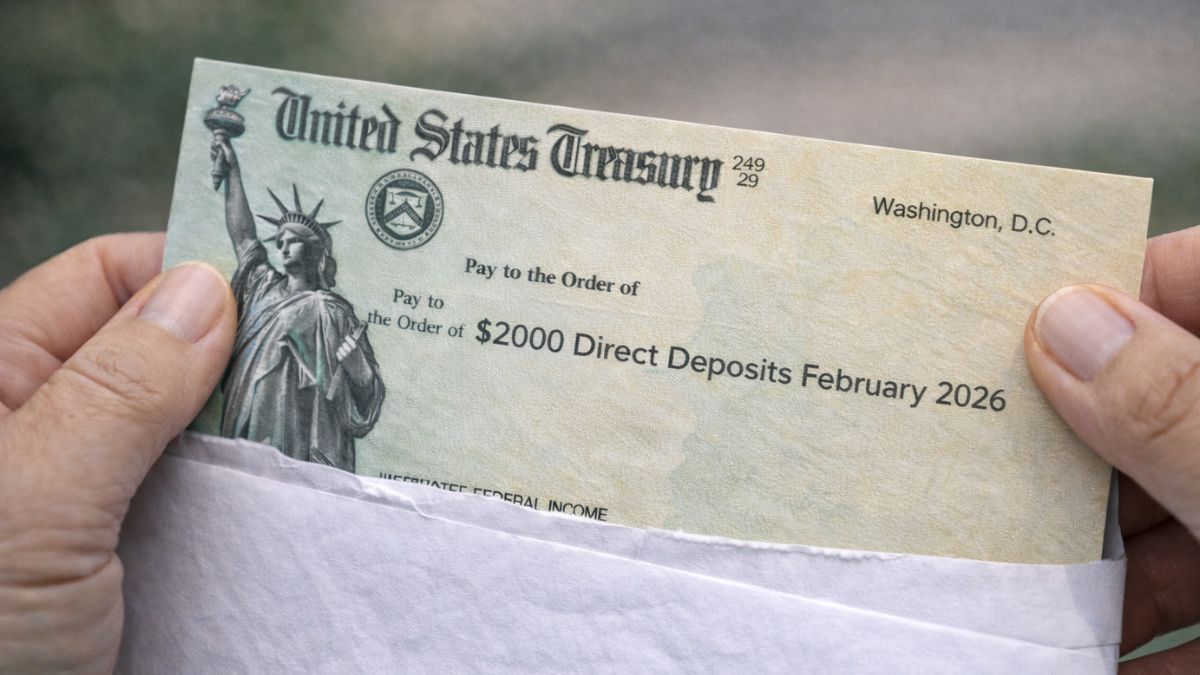
As the 2026 tax season approaches, many people are getting ready to file their federal income tax returns. For many households, a refund is an important source of extra money that can help cover bills, build savings, or pay for major expenses. Naturally, most taxpayers want clear answers about how much they may receive and when the payment might arrive. While exact dates are never guaranteed, understanding how the system works can help set realistic expectations.
Understanding How a Tax Refund Is Created
A tax refund happens when you have paid more in federal income tax during the year than you actually owe. This usually occurs through paycheck withholding, where your employer sends a portion of your wages to the government. After you file your return, your total income, deductions, and credits are reviewed. If your total payments are greater than your final tax liability, the difference is sent back to you as a refund.

Income is the starting point for calculating your tax result. From there, deductions reduce the amount of income that is taxed, and credits directly lower the amount of tax owed. Credits for children, education, or moderate income can significantly increase the final refund amount.
When the 2026 Filing Season Begins
The IRS generally begins accepting tax returns in the second half of January. Once your return is officially accepted, processing begins. Taxpayers who file early and submit complete and accurate information are often processed sooner. However, filing early does not automatically guarantee immediate payment.

Most electronic filers who choose direct deposit typically receive refunds within two to three weeks after acceptance. Some refunds may arrive sooner, while others may take longer depending on review needs. Paper returns usually require much more time because they must be manually handled.
What Can Affect Refund Timing
Several factors can slow down a refund. Errors in personal information, math mistakes, missing forms, or mismatched Social Security numbers can trigger manual review. Identity verification checks may also delay payment. Returns claiming certain refundable credits may receive additional screening.

High filing volume between mid-February and March can also increase processing time. Choosing direct deposit instead of a paper check usually speeds up delivery, since mailed checks depend on postal service timing.
Tracking Your Refund
After filing, taxpayers can monitor their refund status using the official online tracking tool. The system generally shows whether the return has been received, approved, or sent. Electronic filers usually see updates within a few days, while mailed returns take longer to appear in the system.
यह भी पढ़े:
 $2000 Direct Deposit Update for February 2026 Eligibility Rules Timeline and Reality Check
Final Thoughts on the 2026 Refund Season
The 2026 tax refund season is expected to follow normal patterns, with most electronic filers receiving payments between late January and April. The exact amount and timing will depend on individual income, withholding, deductions, and credits. Filing accurately, submitting electronically, and selecting direct deposit offer the best chance of receiving your refund quickly.
Disclaimer: This article is for general informational purposes only and does not provide tax, legal, or financial advice. Refund amounts and processing times depend on individual circumstances and official IRS procedures. Always consult official IRS guidance or a qualified tax professional for advice related to your specific situation.